How the conflict in Iran could affect West Texas oil & gas
March 2, 2026
Newswest 9
by Steven Pepper
MIDLAND, Texas — It's a conflict overseas with possible consequences right here at home. Over the weekend, the United States and Israel launched missile strikes on Iran, sparking retaliation that President Donald Trump says could last weeks.
The uncertainty shook markets. U.S. crude oil prices jumped more than 6%. Stephen Robertson with the Permian Basin Petroleum Association says when trouble flares up in the Middle East, energy markets react fast.
"Anytime there's conflict in the Middle East, it seems to ruffle the markets," said Robertson, Executive Vice President. "We've seen that happen, whether it's because of threats or damage done to the infrastructure production, or it's threats or damage done to transportation routes, particularly the Strait of Hormuz."
The Strait of Hormuz is critical. More than 20% of the world's daily oil supply passes through that narrow waterway. While Iran produces less than five percent of global oil, its location gives it major influence.
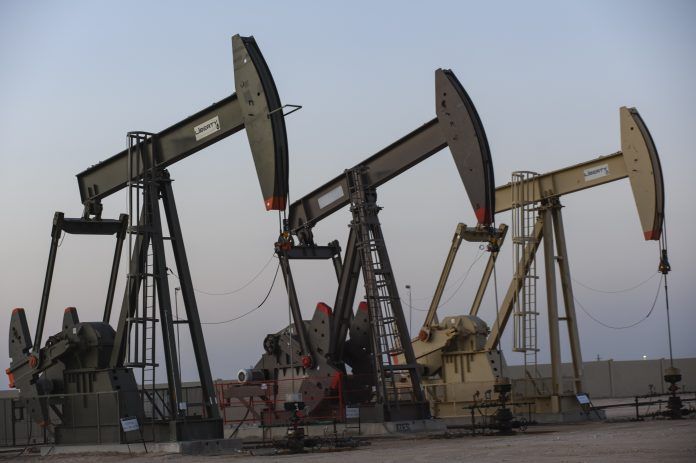
But here in West Texas, which produces about half of America's oil, there could be a short-term upside.
"It's obviously a bit of a relief for prices that have been repressed for a while out here, and I'm sure there will be some benefit that is gained by that," said Robertson.
But long term? That's less clear.
Robertson says if prices stay high, drivers could feel it at the pump. The national average for gas sits at $2.96 a gallon, and experts say it could top $3 soon.
Still, after more than a century of booms and busts, Robertson says the Permian Basin knows how to weather uncertainty.
"It is almost even more just another example of the oddities, the threats, the changes that can happen in our industry," said Robertson. "But even more of a reason to keep an eye on those long-term opportunities."
Robertson also says those most impacted by the conflict in the short term are traders. He also says it's unclear how local production and drilling plans will adjust to the market shift.